
焕启肌肤纯净澄澈
摆脱暗沉与杂质,焕发肌肤与生俱来的清透光采。
Netto 洗面乳
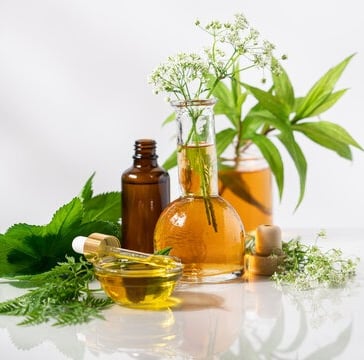
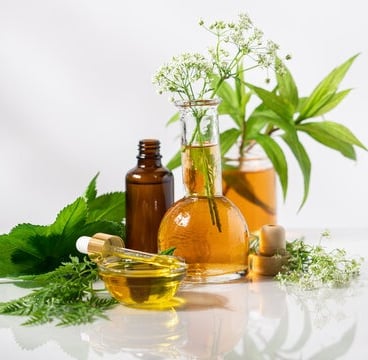
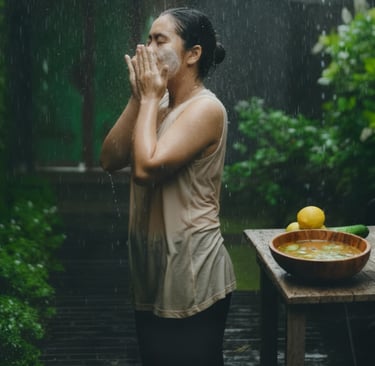
在工业化保养品尚未普及的年代,马来族群的脸部护理多源于厨房与花园。马来女性擅长运用身边触手可得的天然食材进行美容护肤,形成一套兼具简朴与功效的传统美容智慧。这些材料不仅天然无添加,也蕴含丰富养分,能有效滋润肌肤、促进血液循环并恢复光泽。
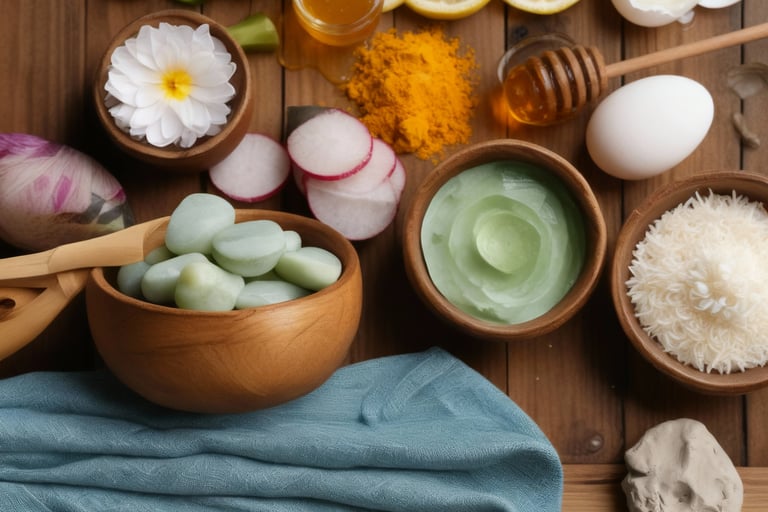
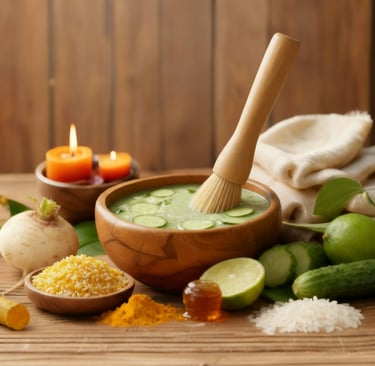
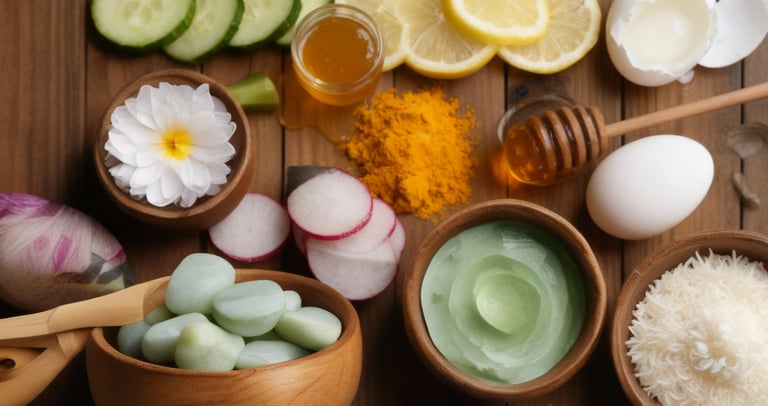
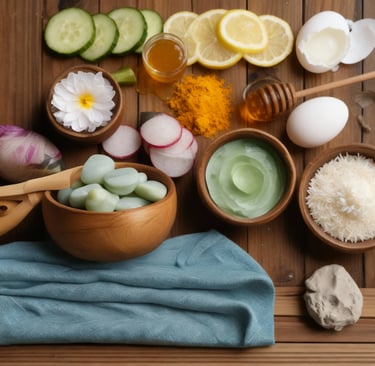
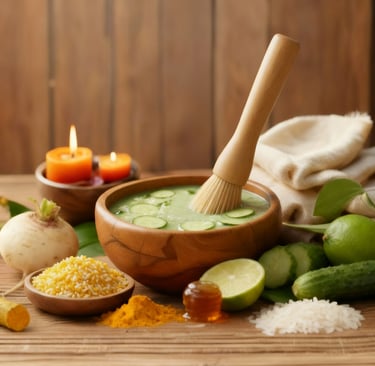
传统上,浸泡过的米水被用作洁肤水;萝卜、柠檬与黄瓜汁则作为天然化妆水;去角质霜由浸米与姜黄磨制而成;而面膜则常由米珍珠、蜂蜜、蛋液或黏土制成。这些做法简单而有效,反映了早期马来人与自然共生的生活哲学。
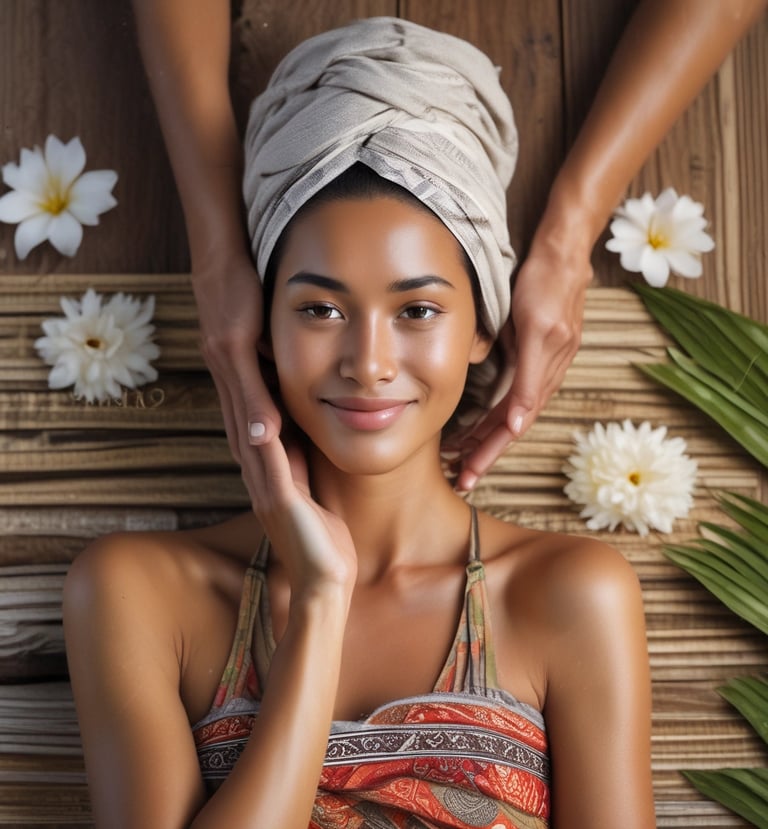
搭配香草或热带水果,面膜静置约 15 分钟,即可让营养深入渗透。
伴随着清新的米香与植物芬芳,整个护肤过程不仅是美容,更是一种身心的放松与疗愈。
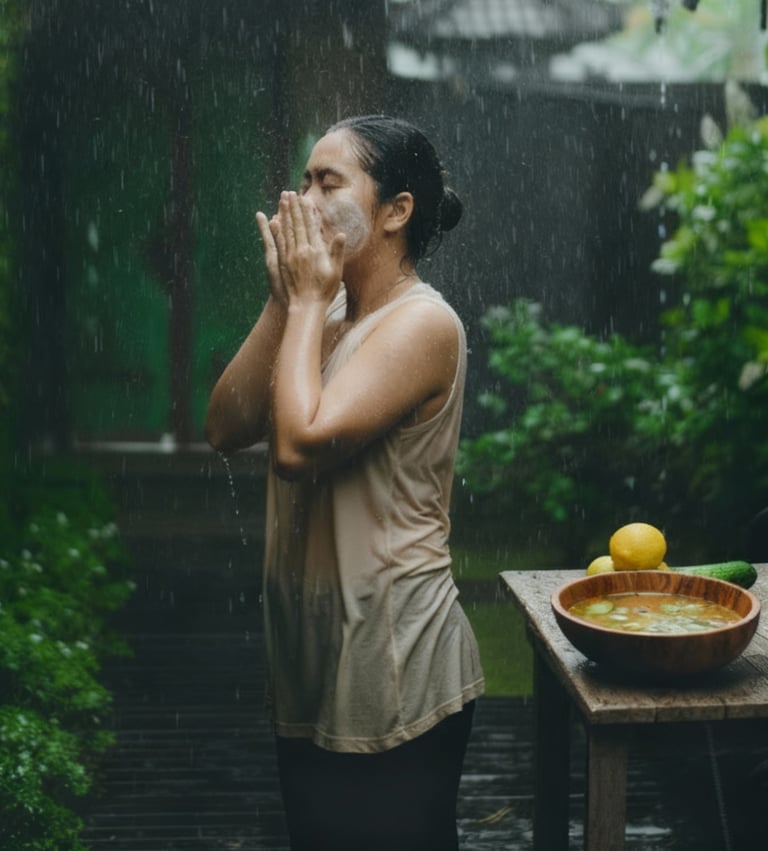
马来传统护肤的一大特色是“食材即美容品”。姜黄能提亮肤色、柠檬有净肤与收敛功效、蜂蜜则滋润保湿。这些材料混合后,用刷子涂抹于脸部,静置约15分钟,让成分充分渗透肌肤。 这些基础配方在现代美容疗程中依然被沿用,并加入热带草药或水果,以加强肌肤再生、保湿与修护。
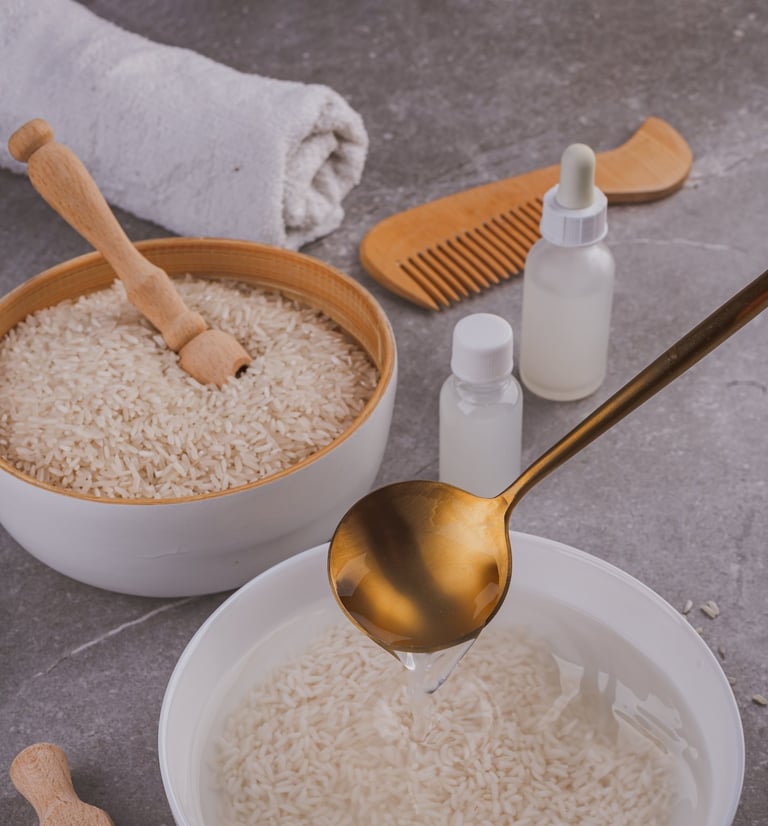
在现代护肤品普及前,马来女性早已懂得运用厨房与花园中的天然素材进行脸部保养。 其中最具代表性的,就是“浸米水”。
将米浸泡在清水中,静置后产生的米水,因含有天然淀粉、维生素 B 群、氨基酸与矿物质,被认为能温和洁净肌肤、淡化暗沉、提亮肤色,并强化肌肤的天然屏障。
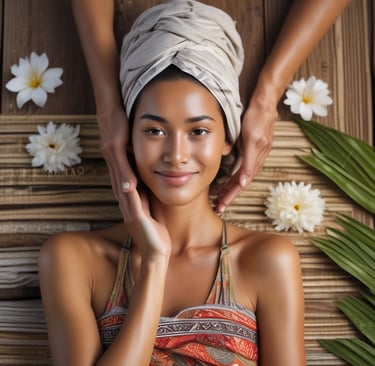
想象一下:你躺在海边小屋或按摩床上,空气中弥漫着刚捣碎的草药与水果香气,这些来自市场的新鲜食材,让护肤不仅是一种美容,更像是一场感官与身心的疗愈仪式。
这份来自土地的真实感,正是马来传统护肤文化最迷人的地方——不靠化学加工,而是回归最自然的呵护。
传统米水护肤智慧

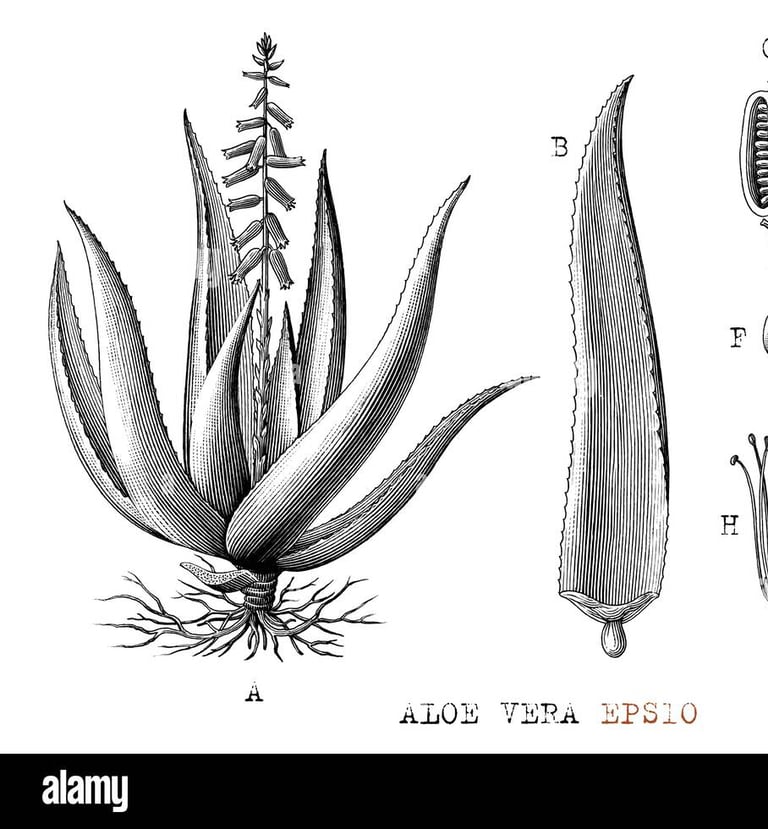
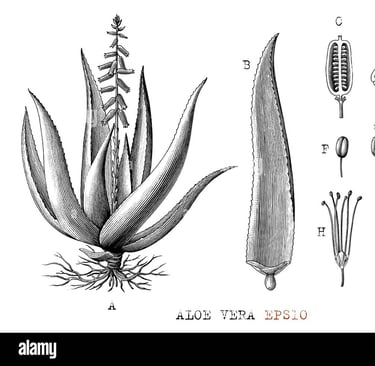
Aloe vera (/ˈæloʊ(i) ˈvɛrə, - ˈvɪər-/) is a succulent plant species of the genus Aloe. It is widely distributed, and is considered an invasive species in many world regions. In evergreen perennial, it originates from the Arabian Peninsula, but also grows wild in tropical, semi-tropical, and arid climates around the world. It is cultivated for commercial products, mainly as a topical treatment used over centuries. The species is considered attractive for decorative purposes, and is often used indoors as a potted plant. he leaves of Aloe vera contain significant amounts of the polysaccharide gel acemannan, which can be used for topical purposes. The leaves also contain aloin, which is a toxic compound. Aloe vera products are typically made from the gel. Aloe vera acemannan may be used in skin lotions, cosmetics, ointments and gels for minor burns, skin abrasions, insect bites, and windburn. Oral ingestion of aloe vera extracts may cause acute abdominal pain and cramps, and hepatitis if consumed chronically. It should not be used during pregnancy. Some people have allergic reactions to aloe when used on skin.
Rice is a cereal grain and in its domesticated form is the staple food of over half of the world's population, particularly in Asia and Africa. Rice is the seed of the grass species Oryza sativa (Asian rice)—or, much less commonly, Oryza glaberrima (African rice). Asian rice was domesticated in China some 13,500 to 8,200 years ago; African rice was domesticated in Africa about 3,000 years ago. Rice has become commonplace in many cultures worldwide; in 2023, 800 million tons were produced, placing it third after sugarcane and maize. Only some 8% of rice is traded internationally. China, India, and Indonesia are the largest consumers of rice. A substantial amount of the rice produced in developing nations is lost after harvest through factors such as poor transport and storage. Rice yields can be reduced by pests including insects, rodents, and birds, as well as by weeds, and by diseases such as rice blast. Traditional rice polycultures such as rice-duck farming, and modern integrated pest management seek to control damage from pests in a sustainable way.
传统上,浸米水被用来当作每日的洁肤水;搭配萝卜汁、柠檬汁、黄瓜汁作为化妆水;用姜黄与米粒制成磨砂膏,再以蜂蜜、蛋液与黏土敷脸。这套“厨房即美容坊”的护肤智慧,在马来社群中流传数代。
我们的产品正是延续这项传统,采用天然发酵大米水为核心成分。经过发酵后的米水,养分更容易被肌肤吸收,有助修护肌底、提亮肤色并提升保湿度,让肌肤自然透亮有光泽。
Netto Facial Wash
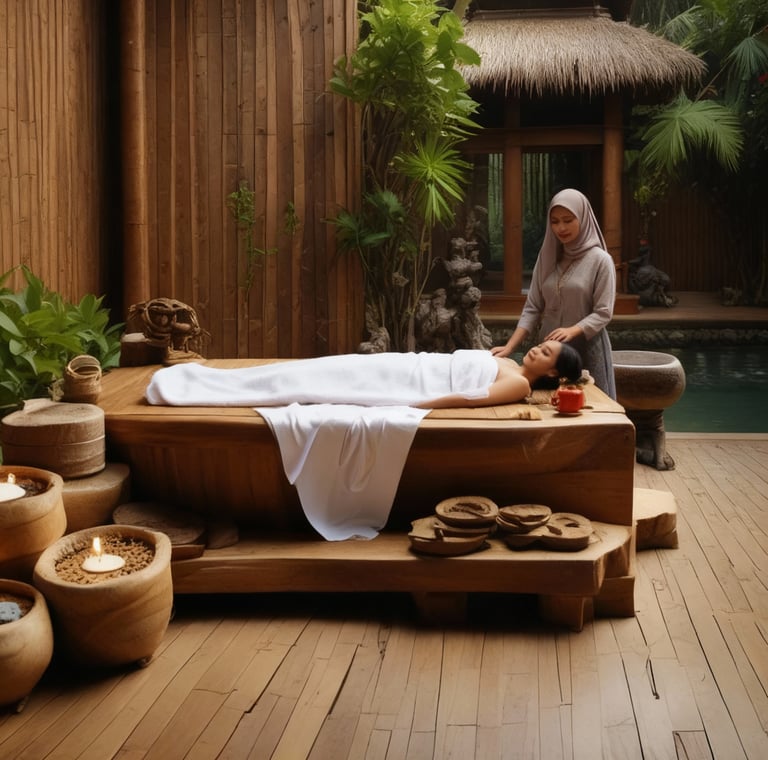
Before the rise of modern skincare products, Malay facial care relied on natural ingredients from the kitchen and garden. Malay women traditionally used simple, fresh, and locally available ingredients that nourished the skin while reflecting their close connection with nature.
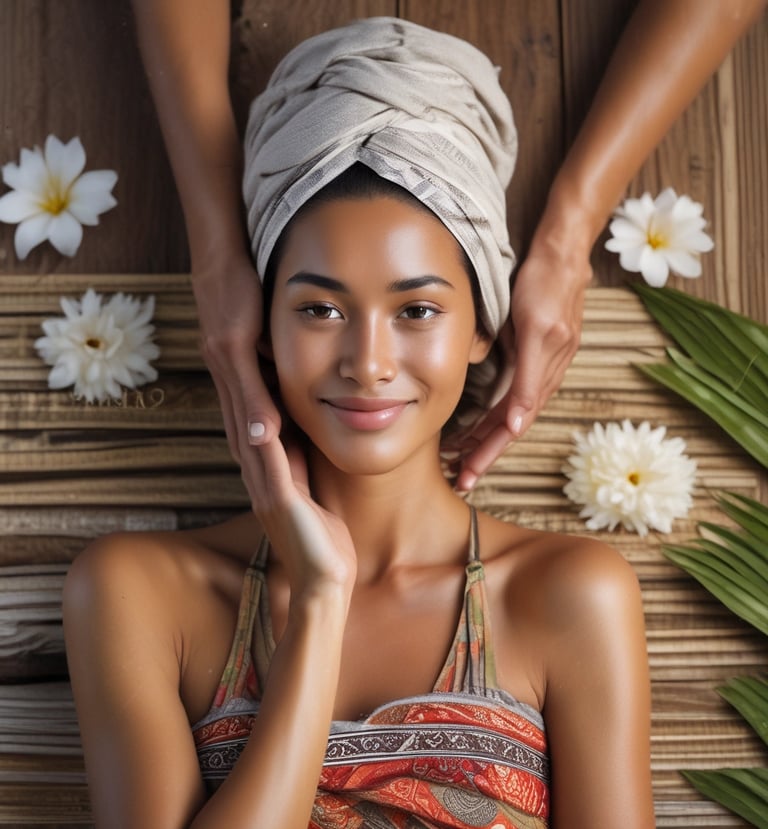
Soaked rice water was used as a natural cleanser; turnip, lime, and cucumber juices acted as toners; scrubs were made from rice mixed with turmeric; and facial masks were prepared with rice pearls, honey, egg, or clay. These simple yet powerful remedies have stood the test of time.


A defining feature of this tradition is that the kitchen itself became the beauty salon. Turmeric brightens the complexion, lime purifies and tones the skin, while honey hydrates and softens. The mask is applied with a brush and left for about 15 minutes to allow the ingredients to deeply nourish the skin. Today, many spas still embrace these natural treatments, enriching them with tropical herbs and fruits to boost skin regeneration and hydration.
Imagine lying in a seaside cabana, surrounded by the aroma of freshly mashed natural ingredients. Knowing that everything comes straight from the local market deepens the sense of authenticity.
This is not just skincare — it is a ritual of connection between body, earth, and spirit.
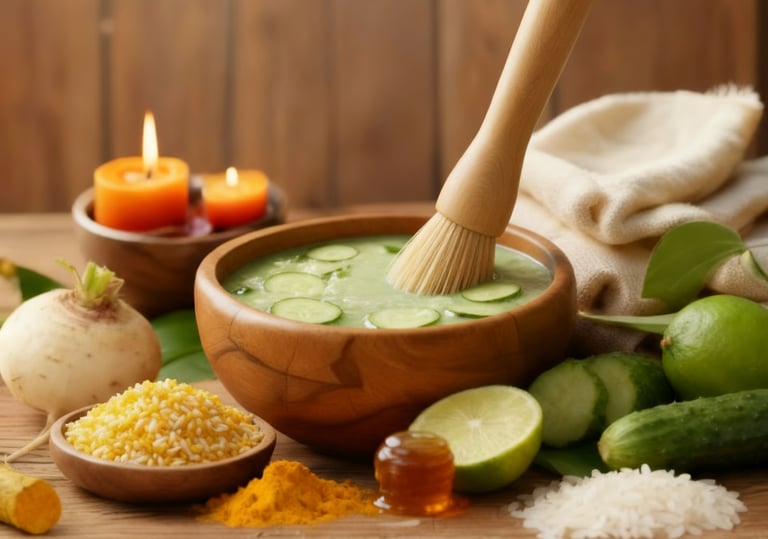
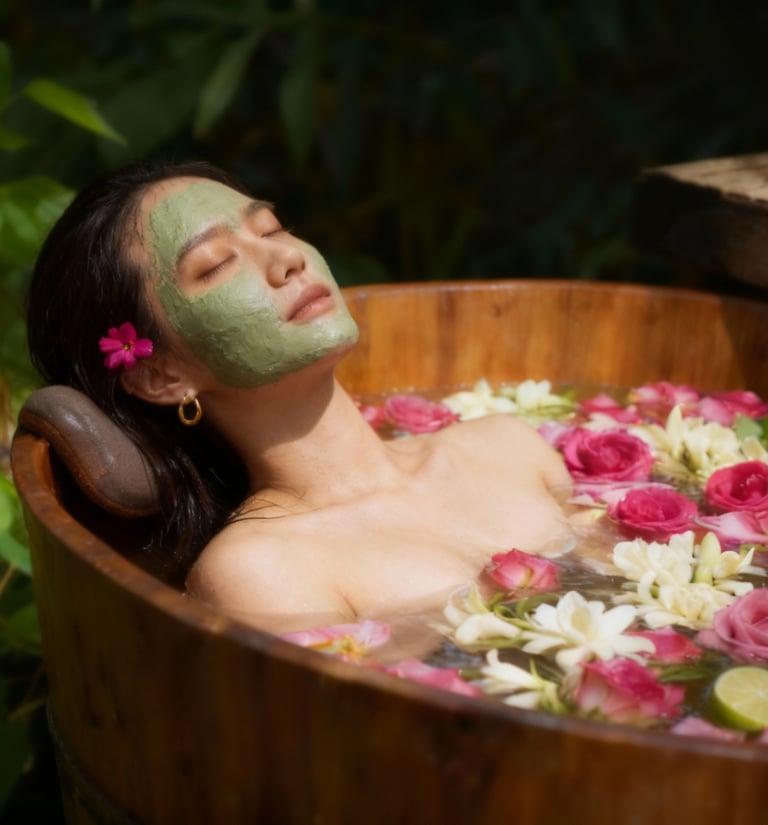
Modern spas continue to use these traditional methods, often combining them with herbs and tropical fruits. Facial masks are typically applied with a brush and left on for 15 minutes to allow the nutrients to penetrate deeply.
The subtle aroma of rice and herbs creates not just a skincare routine, but a soothing, sensory healing experience.
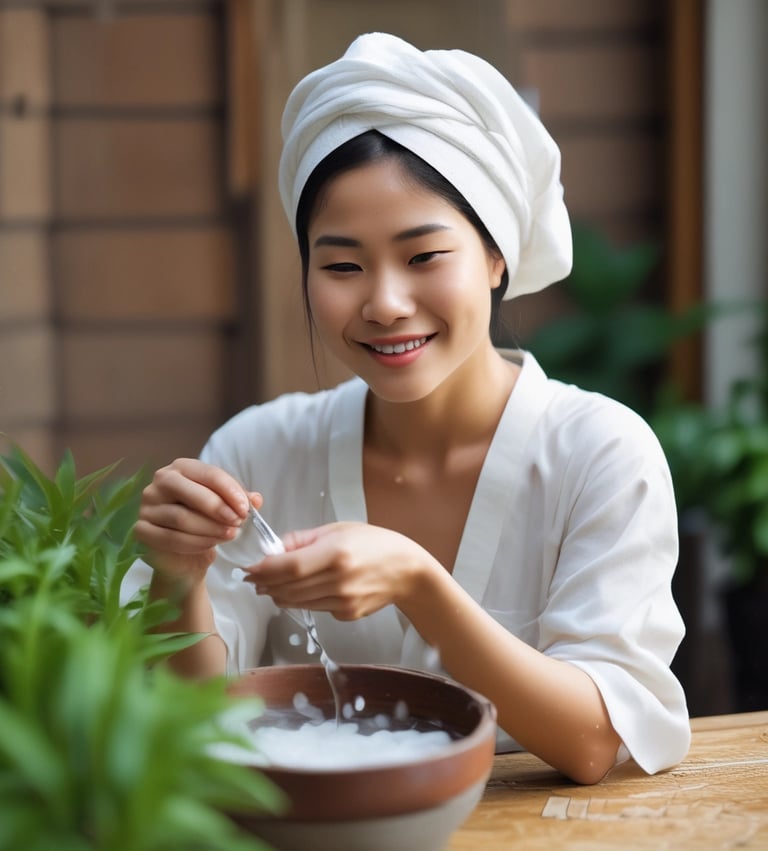
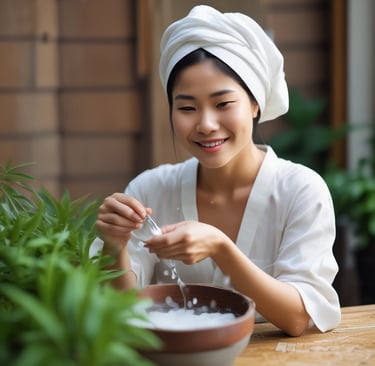
Long before commercial skincare products became common, Malay women relied on natural ingredients from their kitchen and garden.
Among these, soaked rice water is one of the most treasured beauty secrets. After rice is soaked in clean water, the resulting rice water is rich in natural starch, B vitamins, amino acids, and minerals. It gently cleanses, brightens the complexion, strengthens the skin barrier, and helps reduce dullness and fine lines.
Traditional Rice Water Skincare
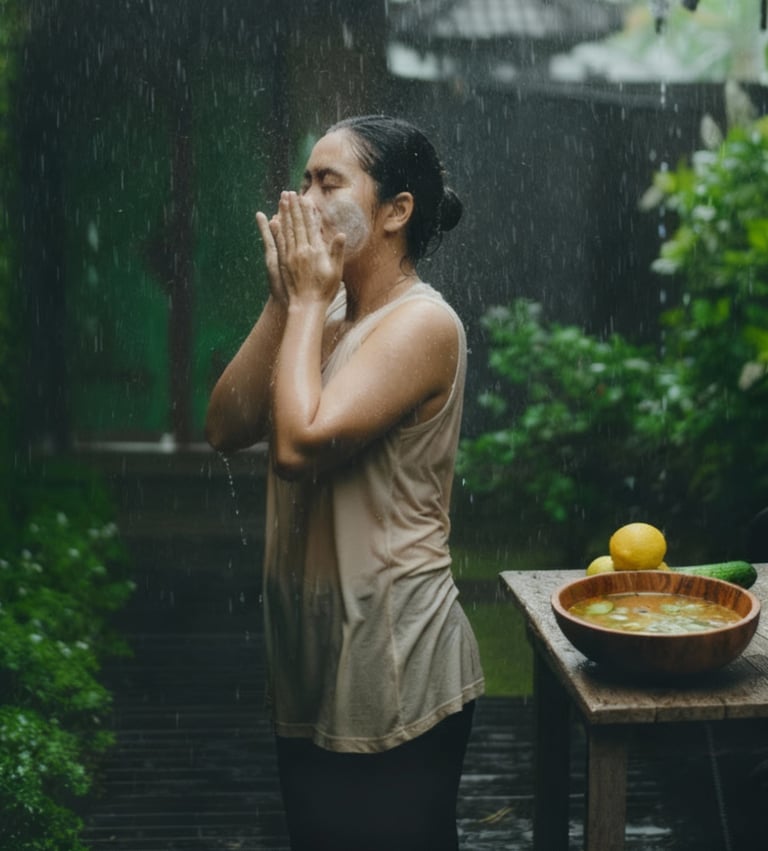
Traditionally, rice water was used as a daily facial cleanser, while turnip, lemon, and cucumber juices acted as natural toners. Scrubs were made from turmeric and rice, and masks used honey, egg, and clay — a skincare practice that embodies the “kitchen as beauty salon” philosophy.
Our products carry this rice water heritage forward through naturally fermented rice, enhancing the nutrient content for deeper absorption. Fermented rice water supports skin repair, boosts hydration, and reveals a natural glow.